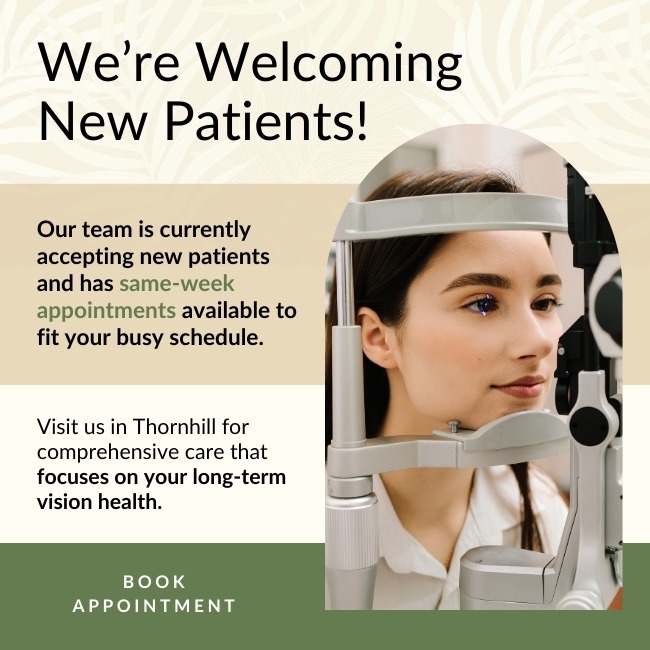
Preserving Healthy Vision with Diabetes
Approximately 3.7 million Canadians live with diabetes. This disease impacts your overall health and can cause complications that affect your vision.
Living with diabetes can increase your risk of developing diabetic eye diseases, such as diabetic retinopathy or macular edema, as well as other eye conditions like cataracts and glaucoma. Protecting your eyes from diabetes complications starts with regularly scheduled diabetic eye exams.
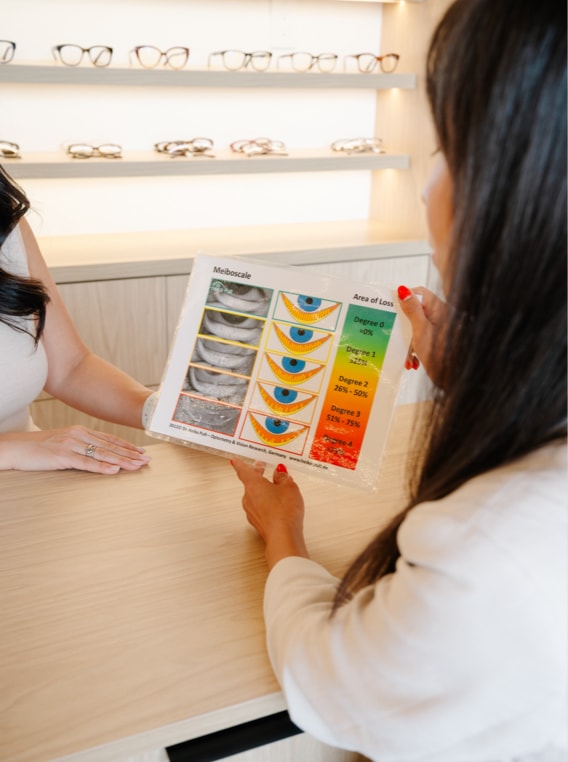
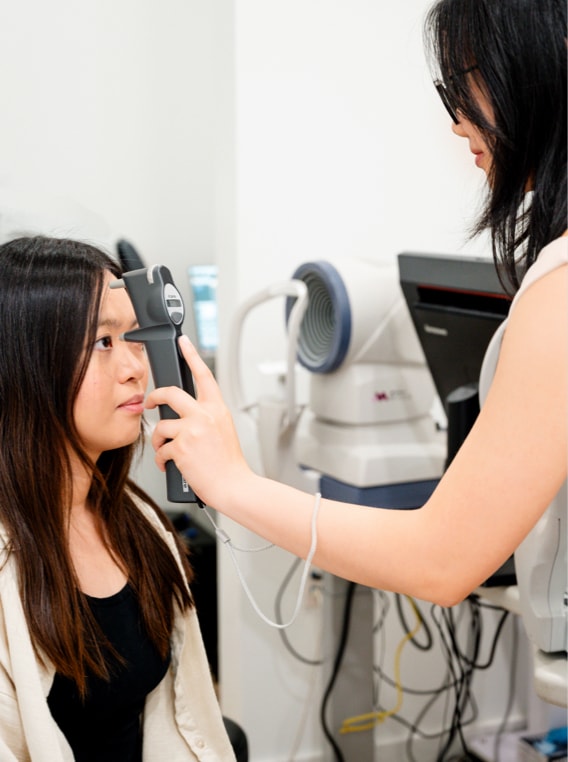
During these exams, we pay special attention to potential complications of diabetes, including signs of eye disease and the impact of diabetes on the blood vessels in your eyes. We use diagnostic technologies, such as OCT, to carefully monitor your eye health.
Book your diabetic eye exam today and let us help you protect your vision.
Request Appointment
What Is Diabetes?
Diabetes is a disease that impacts your body’s ability to produce insulin, a hormone responsible for regulating your blood sugar levels. Without proper insulin, you may experience consistently elevated blood sugar levels.
Over time, elevated blood sugar can lead to various health issues, including vision problems. Regular eye exams are necessary to monitor your eye health.
How Does Diabetes Affect Vision?
As diabetes impacts blood sugar levels, the most common effects of diabetes on your eyes are found in the blood vessels. Diabetes can cause damage to the delicate blood vessels in your eyes and may lead to blurry vision, diabetic retinopathy, or diabetic macular edema. Diabetic retinopathy is the fifth leading cause of avoidable blindness in North America.
Diabetes can also increase your risk of developing cataracts or glaucoma, both of which can threaten your eyesight. It is important to work together with your optometrist and primary care physician to monitor your eye health and manage your blood sugar levels to reduce your risk of vision problems and catch signs before vision loss occurs.
Diabetic retinopathy occurs when the blood vessels in the eye swell or are damaged from consistently elevated blood sugar levels. Typically, diabetic retinopathy develops without noticeable symptoms. Some people may experience blurry vision during early stages.
During more advanced stages, the condition can get more serious. Blood vessels may break and bleed, leaking fluid into the retina and macula at the back of the eye, causing vision loss.
Diabetic macular edema occurs when blood vessels in the eye leak fluid into the macula. The macula is the part of the retina responsible for our central vision and most of our colour vision.
When the macula is damaged by this leaking fluid, you can experience vision loss, impairing your ability to read, write, drive, and recognize faces. This vision loss is irreversible, so prevention is of the utmost importance.
As we age, the clear lens in our eyes can cloud and thicken. This is called a cataract. While cataracts are often a normal part of aging, people living with diabetes can develop cataracts earlier and more rapidly. Keeping tight control over blood sugar and regular eye exams can help slow cataract growth.
Glaucoma is a group of eye diseases that cause damage to the optic nerve and can cause irreversible vision loss or blindness. There are several types of glaucoma, but increased pressure inside the eye often causes damage to the optic nerve and usually progresses without symptoms prior to vision loss. Living with diabetes increases your risk of developing glaucoma, making routine eye exams vital for your ocular health.
What to Expect During a Diabetic Eye Exam
Our diabetic eye exams are similar to our comprehensive eye exams, with some tests done more frequently based on increased risk. We recommend that people living with diabetes have an eye exam at least once a year so we can monitor their eye health more closely.
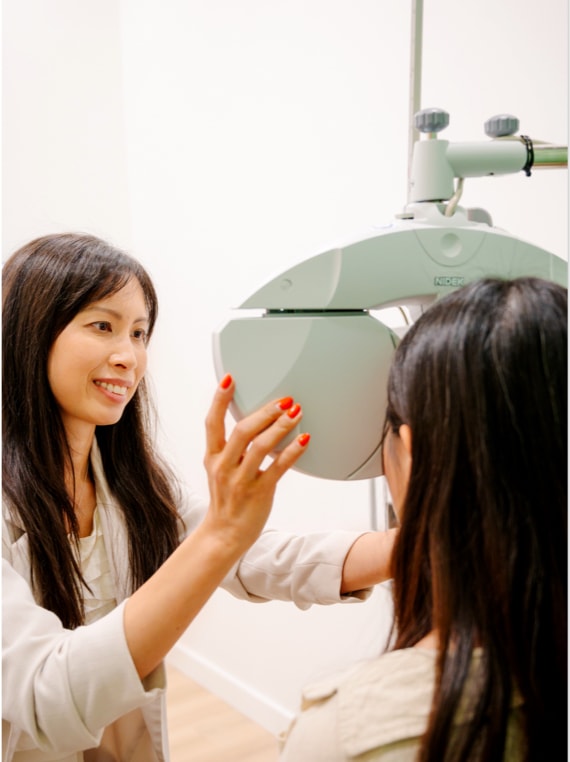
During a diabetic eye exam, we use diagnostic technology such as optical coherence tomography (OCT) scans and retinal imaging to get a thorough picture of your eye health. We’ll check for signs of diabetic eye disease, measure your eye pressure, assess your visual field, and check your visual acuity (how clearly you can see at various distances).
We’ll include time for you to ask questions during your appointment. We believe it is important for you to understand how diabetes can affect your eyes and empower you with knowledge about how to care for your health.
Book Your Diabetic Eye Exam Today
If you have been diagnosed with diabetes and feel a little overwhelmed with changes to your healthcare routine, we’re here to help. Our experienced team can provide advice and guidance to make caring for your eyes simple.
Beyond booking regular eye exams, we also recommend that people with diabetes properly take their medications, strive to maintain a healthy weight, aim for daily physical activity, stop tobacco use, and monitor and control their blood sugar carefully. Most of the general health practices recommended to you by your primary care doctor will also promote good eye health.
If you have any questions about caring for your eyes with diabetes or are due for your annual eye exam, please schedule your appointment with us by calling or booking online.
Request Appointment




Our Eyewear Brands






Visit Our Location
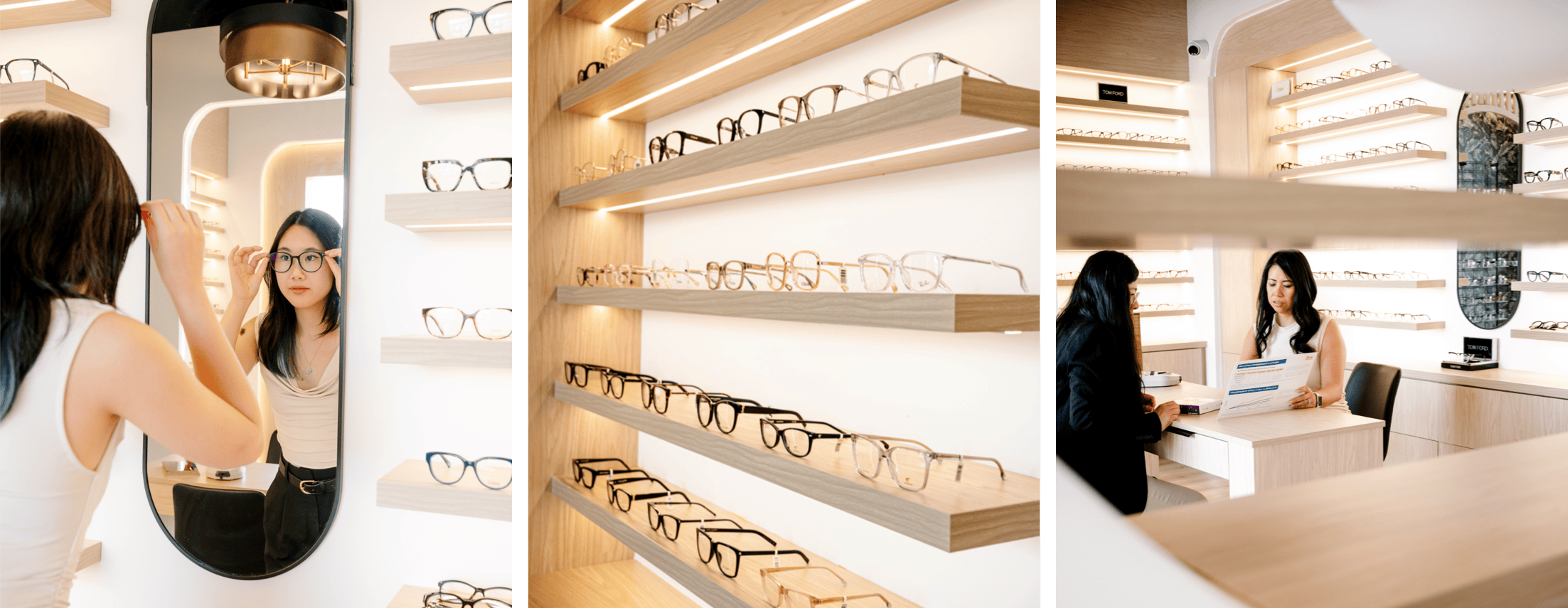
We’re located in Wilshire Plaza just off Bathurst Street and New Westminster Drive. There’s plenty of parking available.
Our Address
- 8020 Bathurst St, Unit 4A-2, Building B
- Thornhill, ON L4J 0B8
Contact Information
- Phone: 905-889-2940
- Email: tvc@thornhillvisioncare.ca
Hours of Operation

Our Google Reviews

What Our Patients Are Saying
“I have had a wonderful experience with Dr. Yi and her team. They are knowledgeable, friendly, and always make me feel at ease. When I come here for my eye exams and contact lens fittings, I know my eye health is in good hands!”
Maria R.
“I had such an amazing experience with Dr. Clara Yi. She was extremely helpful and was so kind. All the staff were also very welcoming and helpful. I highly recommend coming to this clinic for any vision needs!”
Sofia S.
Simon
Julia K.
Oleg D.
Gallery





Thornhill Vision Care
- 8020 Bathurst St, Unit 4A-2, Building B
- Thornhill, ON L4J 0B8
- Phone: 905-889-2940
- Email: tvc@thornhillvisioncare.ca